Adobe - Design Sprint
Winner 2026
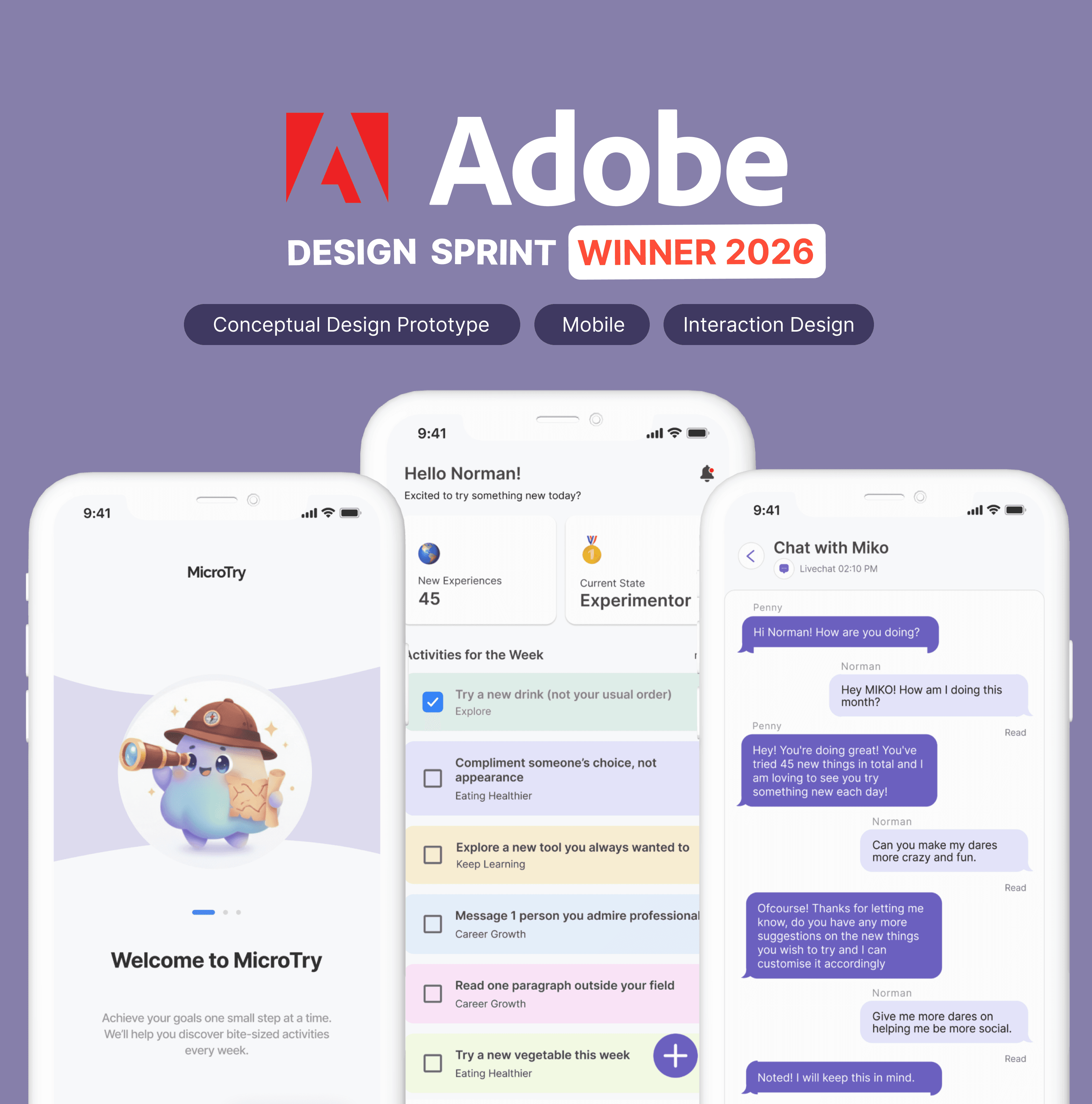
Want to skim through this case study? I got you covered.
Here's a 1 min TL;DR version.
Event: GenAI Design Sprint + Workshop
Theme: Trying Something New
Duration: 4-hour sprint
Team: Aurora- Diya Patel, Ayesha Khan
Outcome: 🥇 Winning Team
Design Sprint
4 hours (concept and design building)
Me
Ayesha
Product Designer
January 2026
Overview
In a live 4-hour design sprint, our challenge was to create an experience that encourages people to step outside their routines and try something new.
We designed MicroTry - a mobile experience that lowers the psychological barrier to change by turning intimidating goals into tiny, low-commitment experiments.
Our solution was selected as the winning concept for its behavioral insight, clarity of execution, and strong product thinking under extreme time constraints.
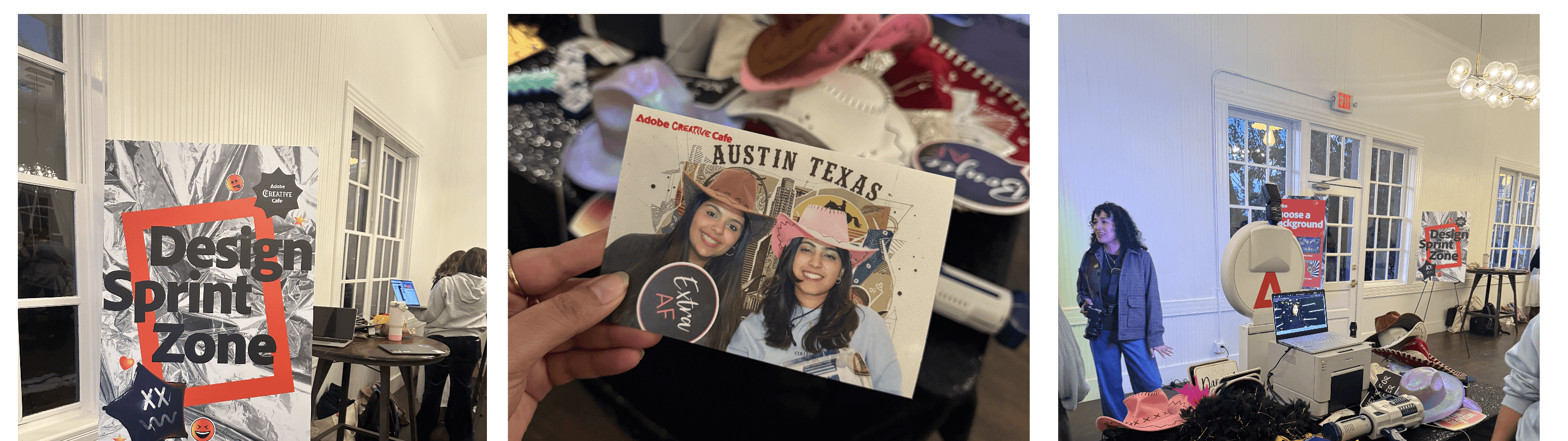
The Story
At 2:00 PM, we were handed a prompt that sounded deceptively simple:
“Trying Something New.”
No constraints.
No format.
No expectations.
Just four hours to create something worthy of winning.
The room quickly filled with motion; designers sketching posters, brainstorming videos, chasing visually impressive ideas. For a moment, we considered doing the same.
Then we paused. Because great design rarely begins with making.
It begins with questioning.
The Question That Changed Our Direction
Instead of asking “What should we design?”
We asked: Do people actually try new things?
The honest answer? Not really.
Trying something new often feels overwhelming; expensive, time-consuming, unrealistic, or disruptive to routine. People don’t resist novelty.
👉 They resist the pressure that comes with it.
That insight reframed everything.
This wasn’t a campaign problem.
It was a behavior problem.
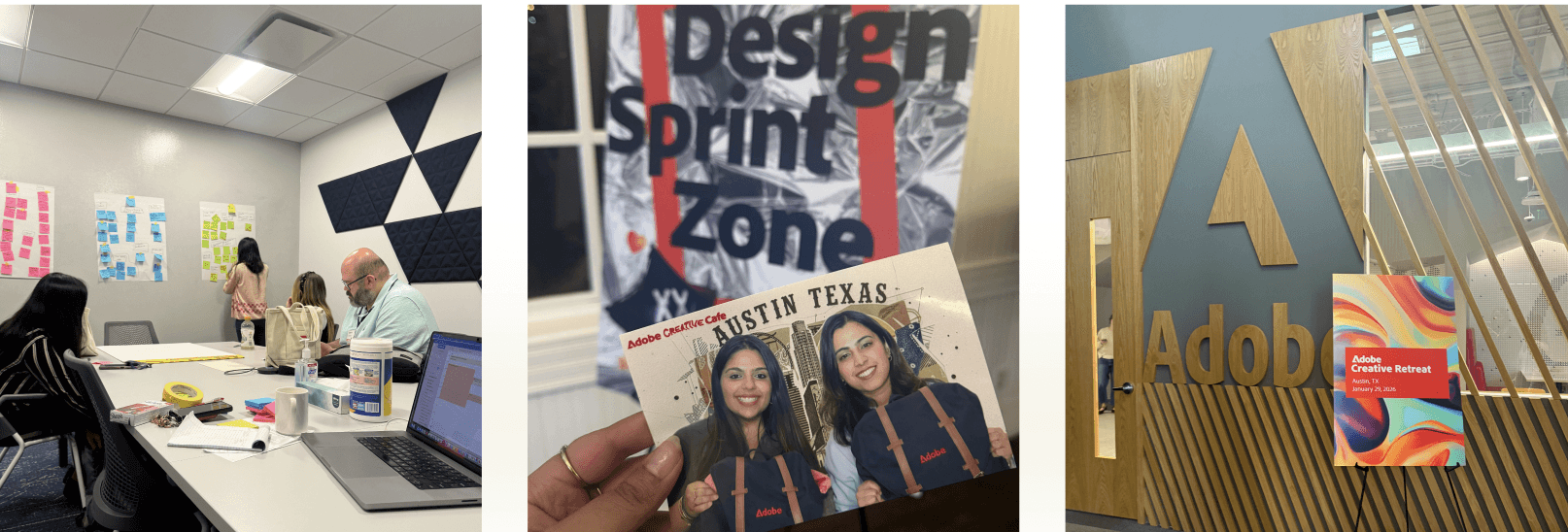
Choosing Courage Over Comfort
Most teams leaned into familiar sprint outputs like posters or videos. We didn’t.
Not because they were wrong; but because they didn’t play to our strengths. As product thinkers, we knew our advantage wasn’t decoration. It was structured problem-solving.
So with the clock ticking, we made a bold decision: Design a product. Not a poster.
A risk, but the right one.
Designing for Real Life, Not Inspiration
We asked ourselves:
What if trying something new didn’t have to be dramatic?
What if it could be small… easy… almost effortless?
That idea became MicroTry: a digital experience designed to help people step outside their routines without intimidation.
Instead of urging users toward life-altering goals like learning a language or traveling solo, MicroTry focuses on low-effort novelty:
Taking a different walking route
Trying a new cuisine
Starting a 5-minute creative habit
No grand gestures. No pressure. Just momentum.
Because behavior change doesn’t come from intensity. It comes from accessibility.
With very little time, every decision mattered. We aligned quickly on the problem. Stayed grounded in human behavior. Avoided over-designing. Prioritized clarity over complexity.
While others optimized for output… We optimized for belief.
Could this exist?
Would someone use it?
Did it actually solve something real?
If the answer wasn’t yes, we cut it.
Ruthlessly.
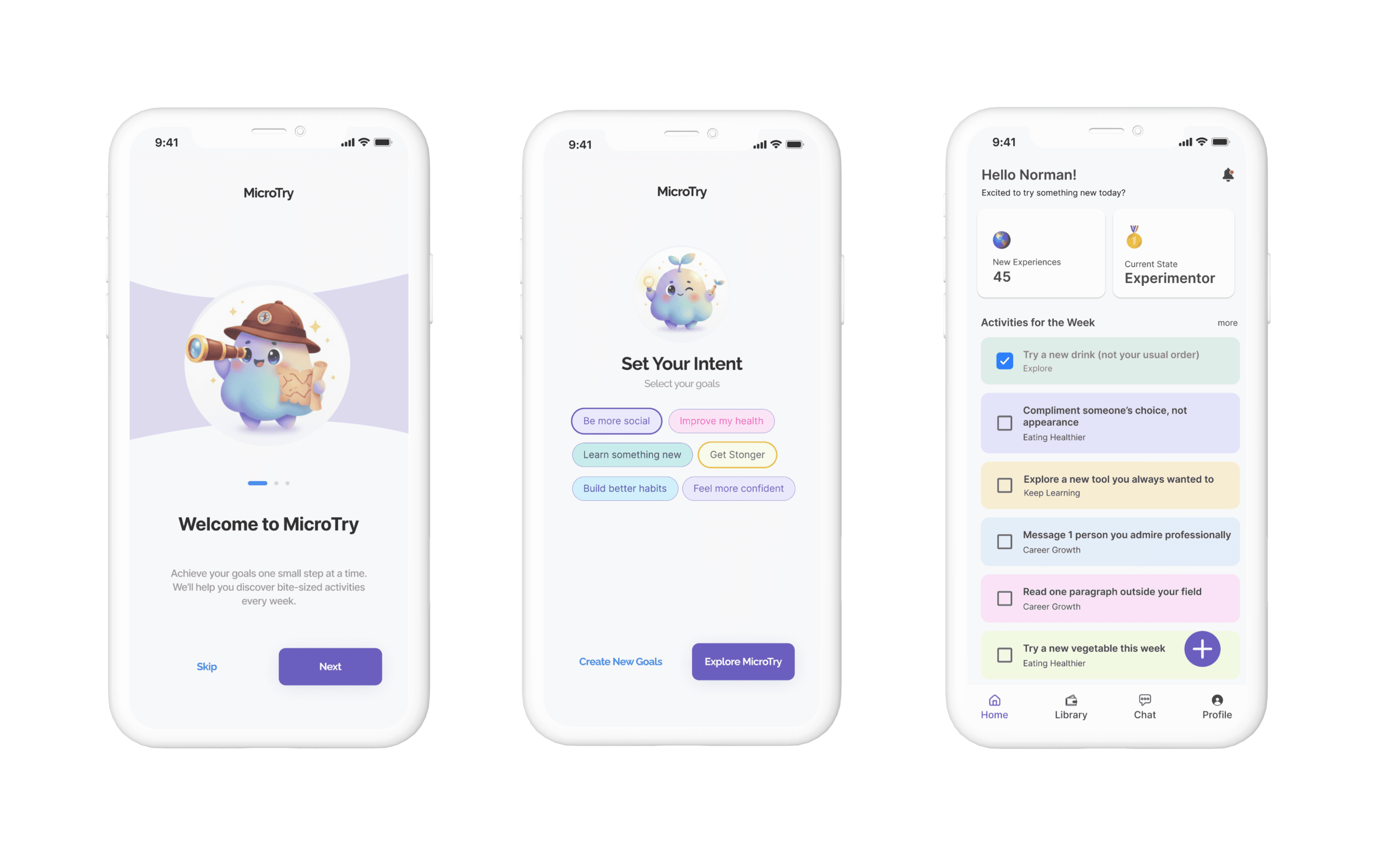
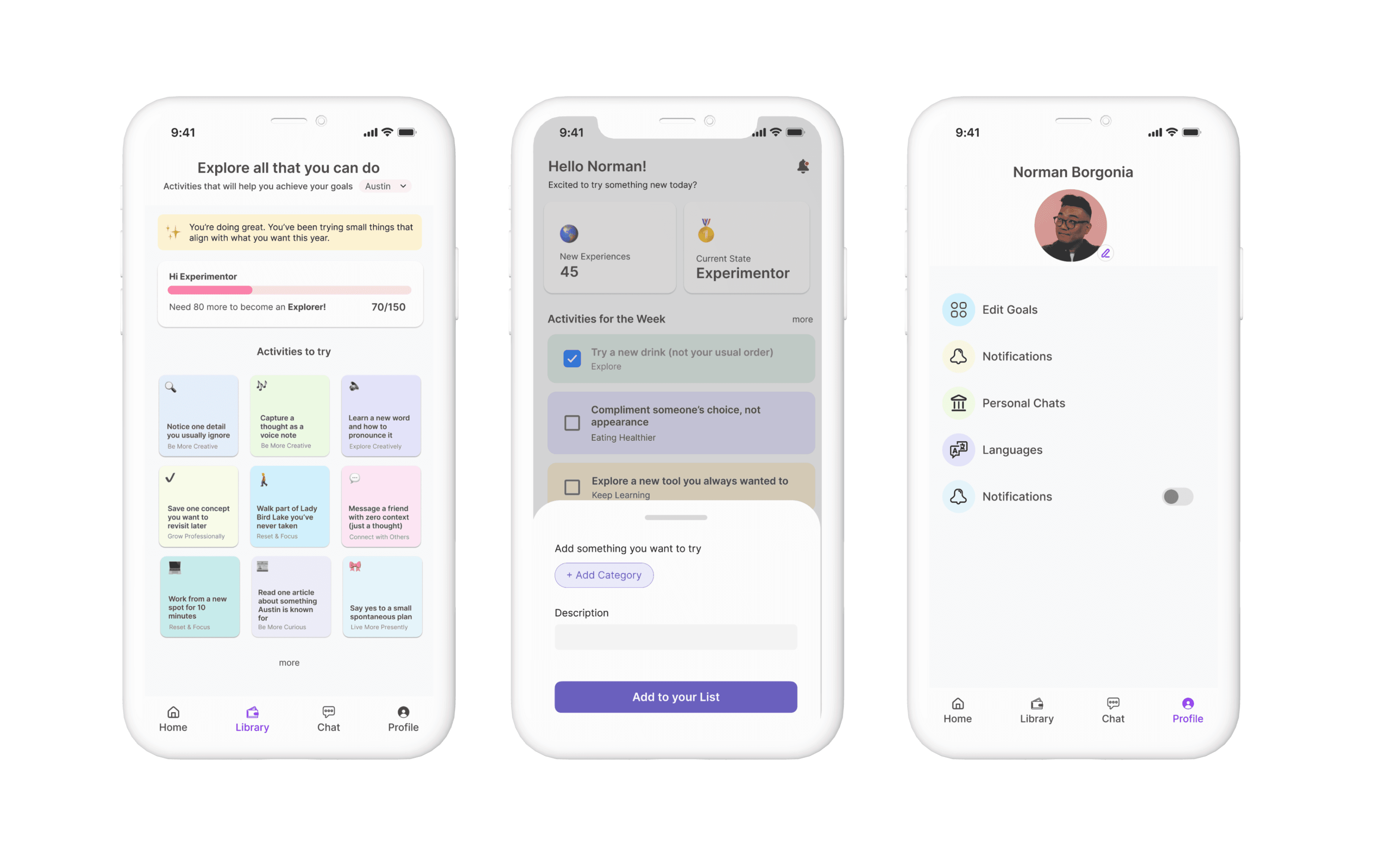
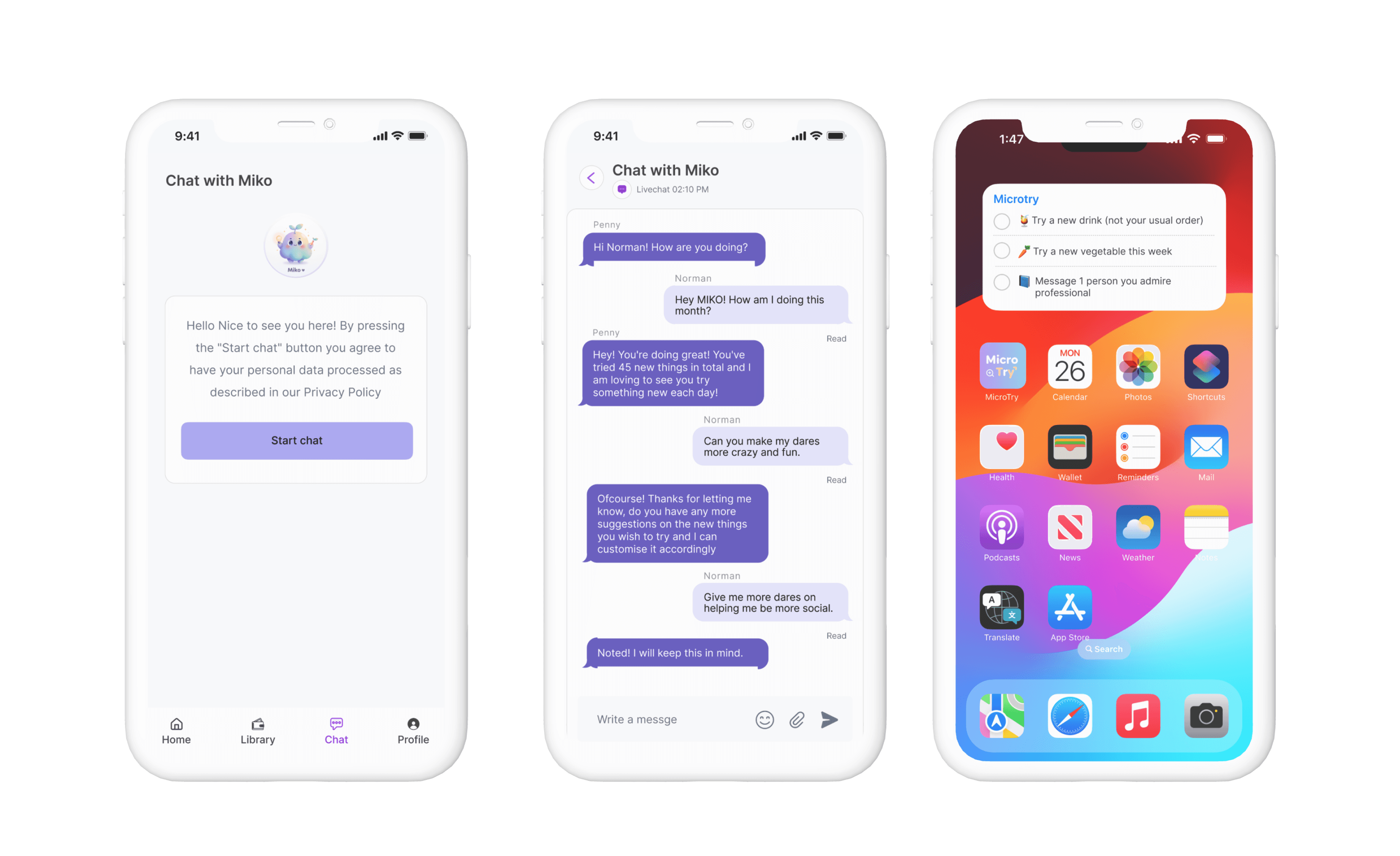
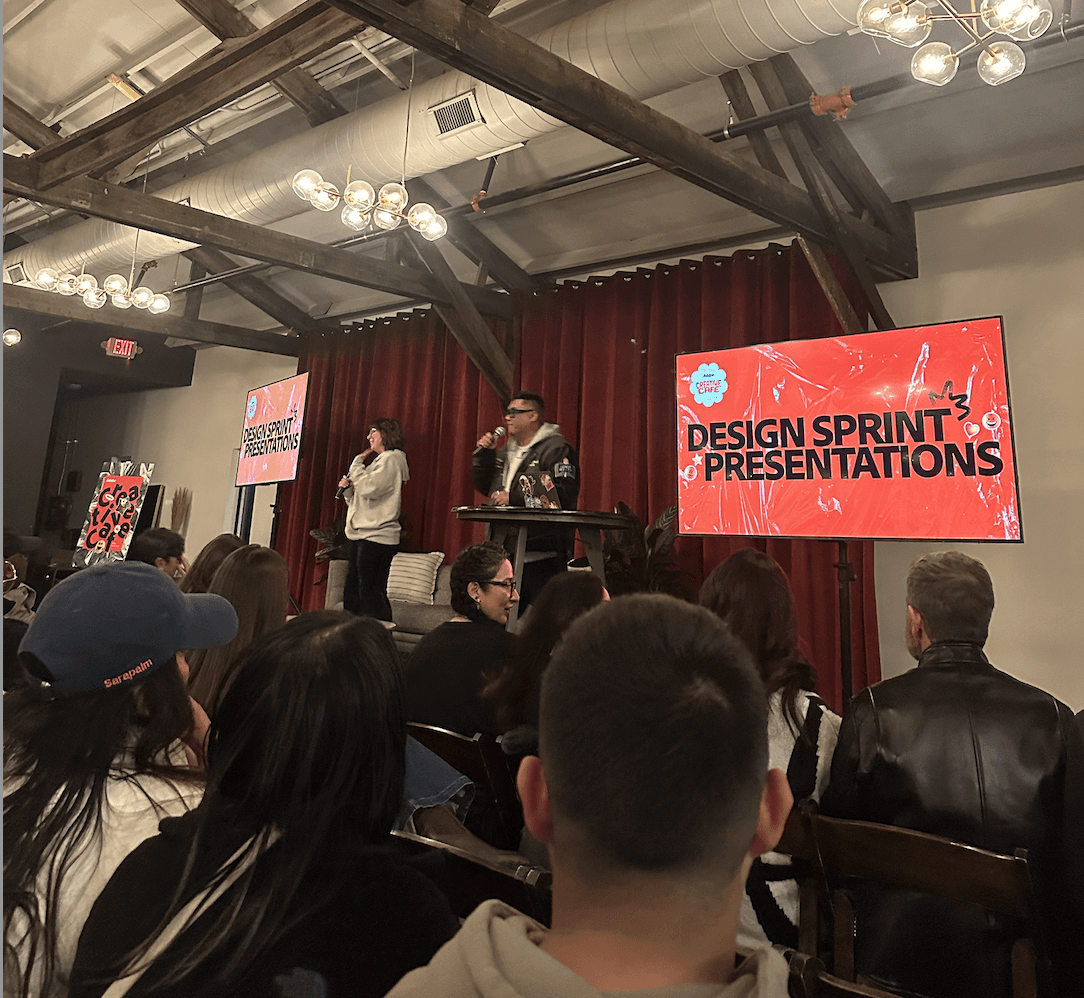
And these was our final product at the end of the sprint-
The Solution: MicroTry
MicroTry is designed to help people step outside their comfort zones through small, achievable experiments that require minimal effort but create meaningful momentum.
How It Works
Users set simple intentions based on areas they want to explore
MicroTry suggests tiny, low-commitment activities
Each experiment takes only minutes
No streak pressure
No guilt loops
Just progress
By reducing emotional friction, the experience makes trying something new feel safe, human, and possible.
1. The best designers redefine the brief.
Anyone can execute. Few step back and rethink the problem.
2. Constraints don’t limit creativity; they focus it.
Four hours forced sharper judgment than weeks sometimes do.
3. The real differentiator is not tools or visuals. It’s thinking.
Especially in a world where AI accelerates execution.
4. Clarity is a leadership skill.
In ambiguous environments, the designer who creates direction naturally leads.
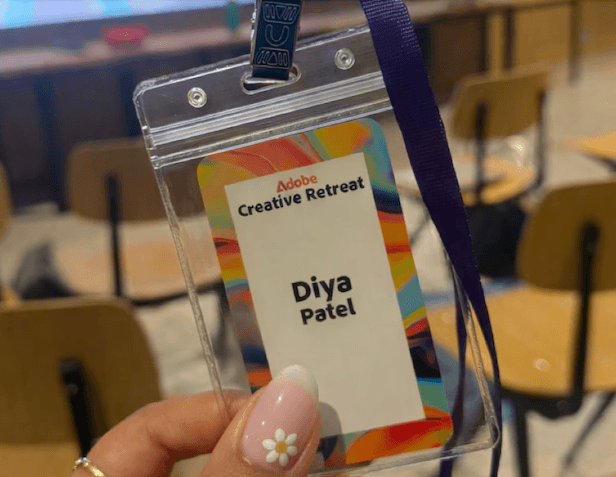
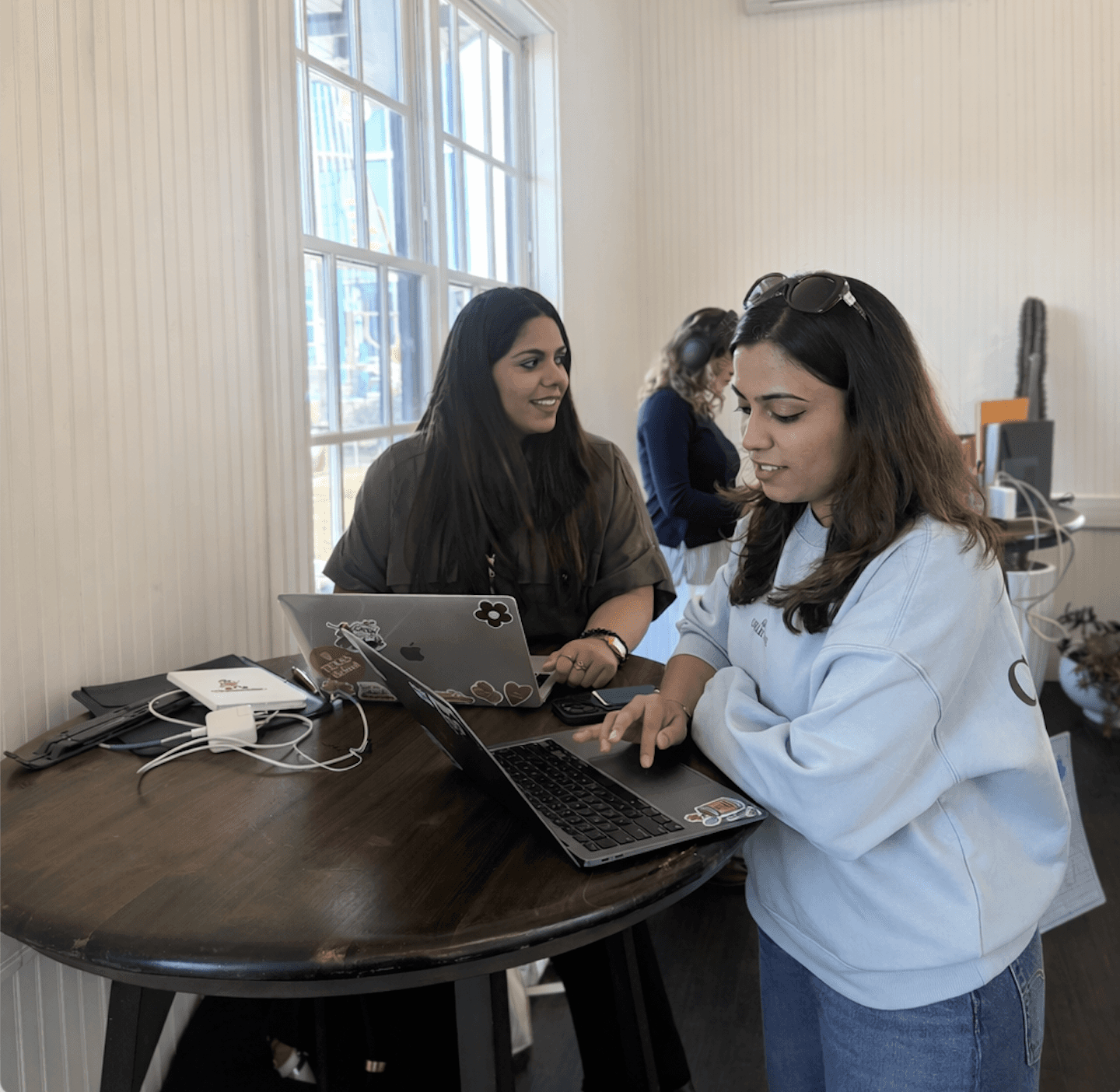
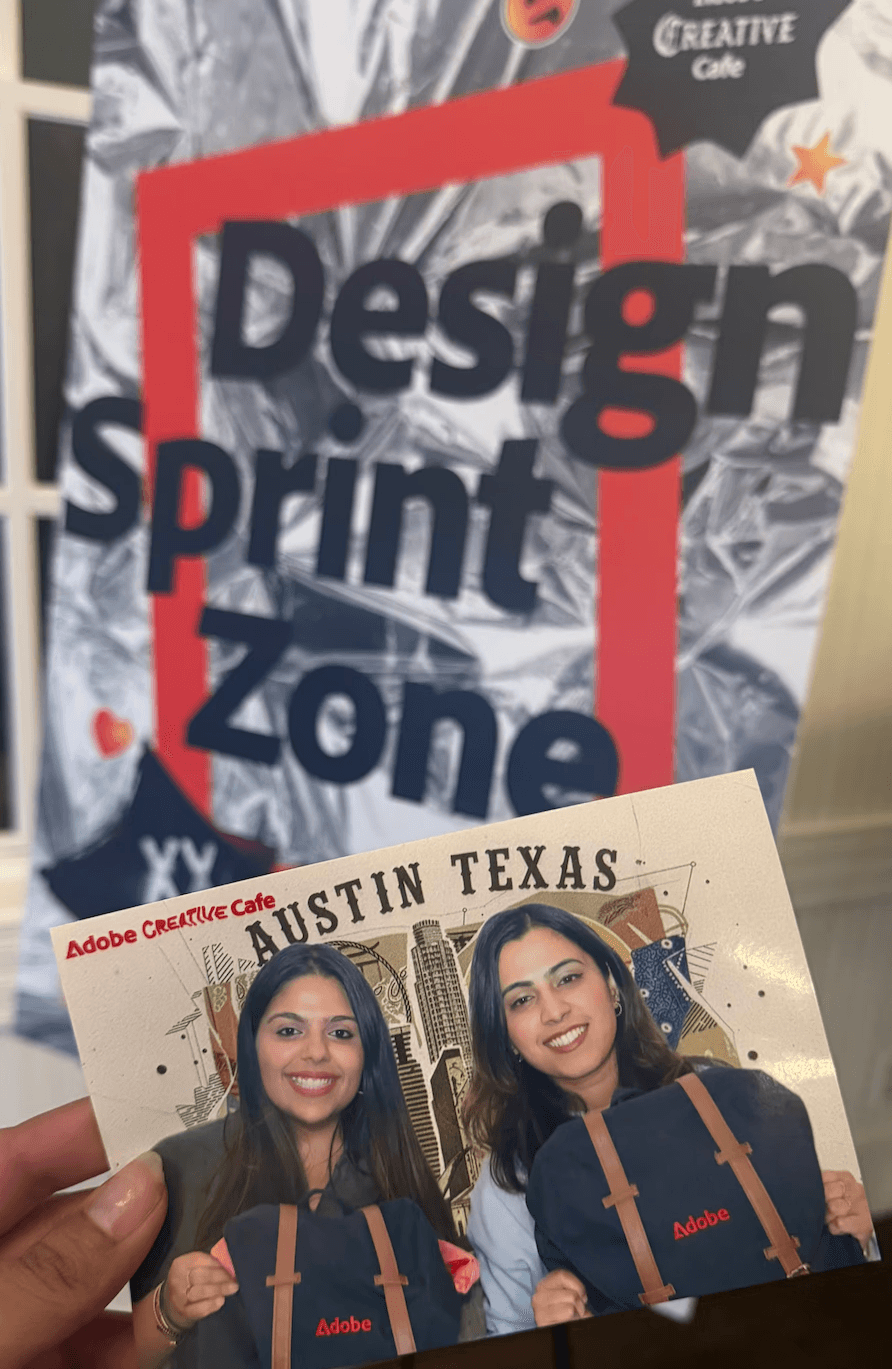
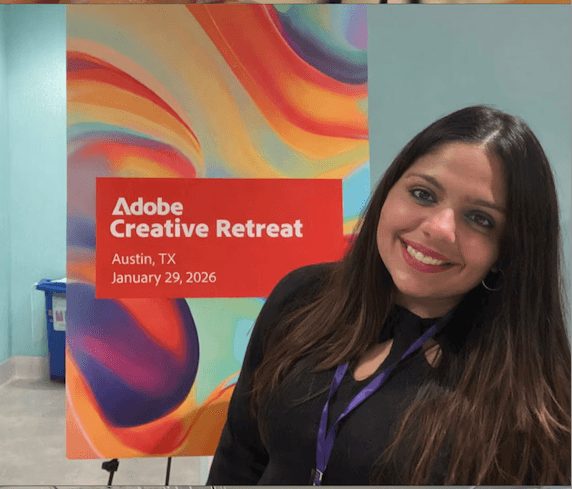
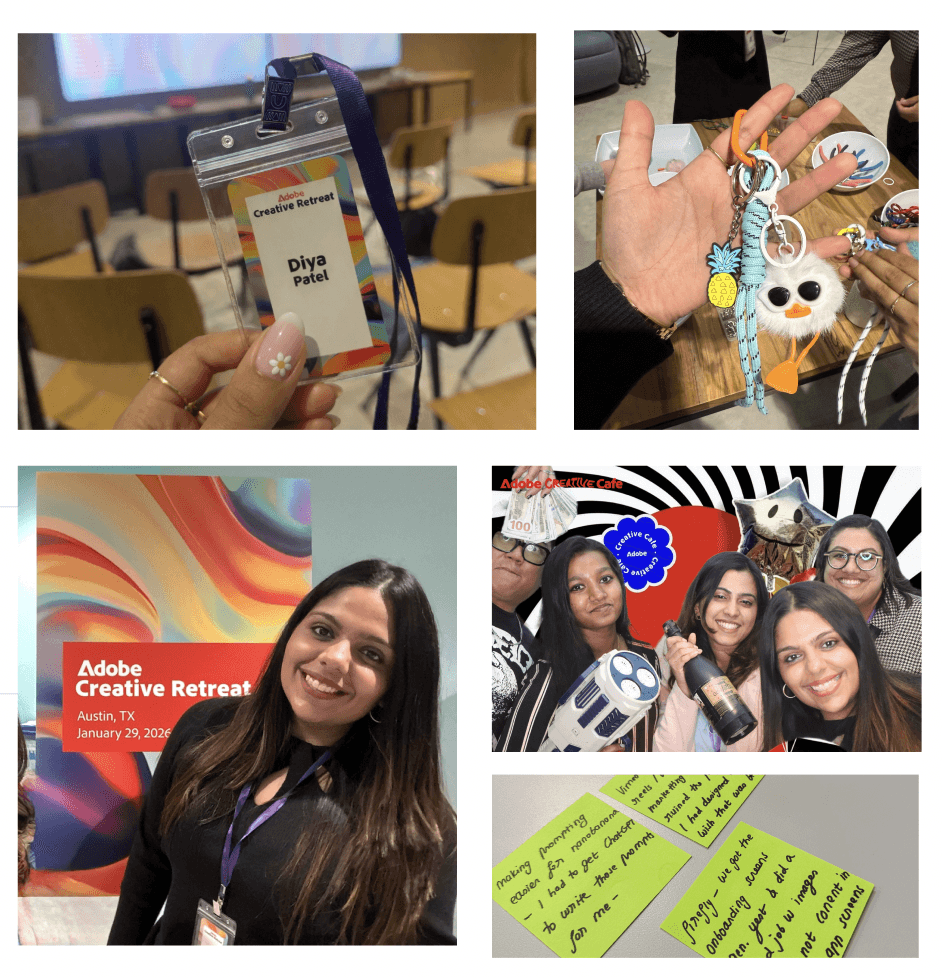
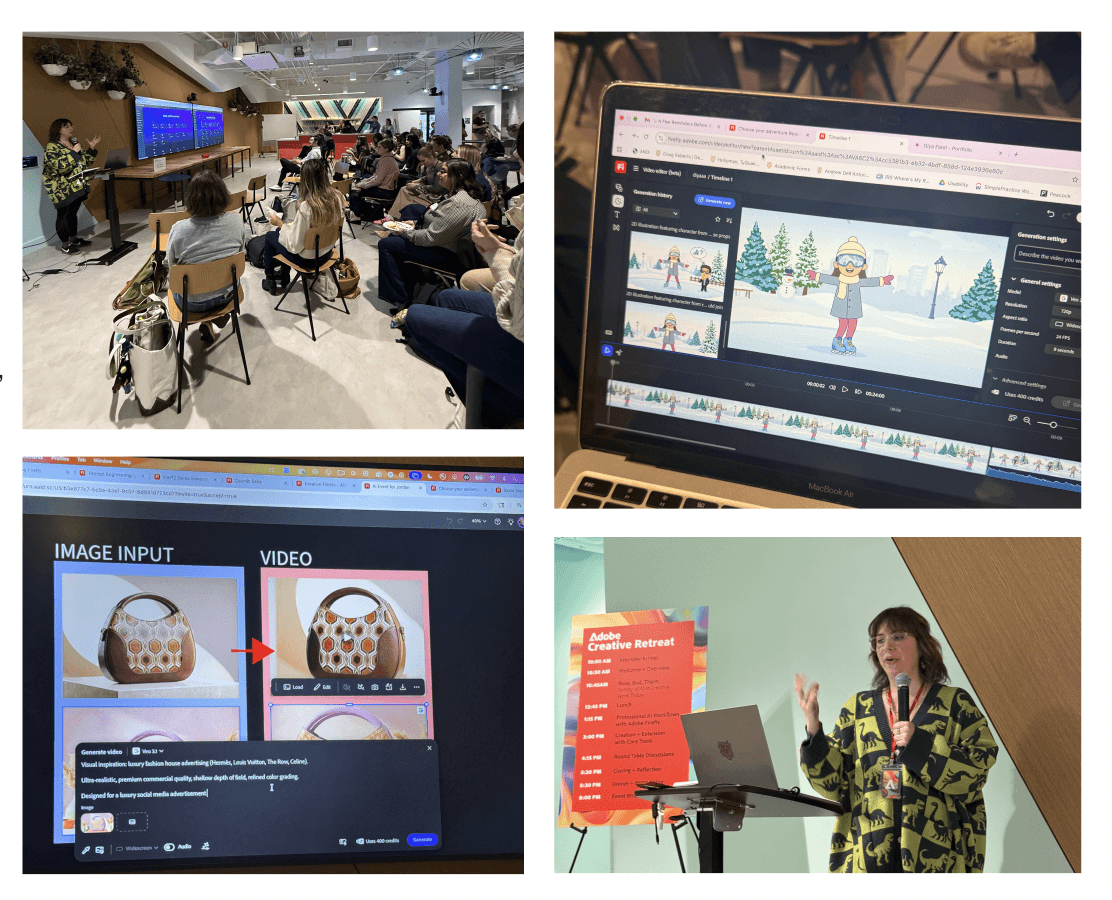
After winning this we were invited to a special GenAI Workshop at the Adobe Office in Austin
The following day, during a GenAI workshop with designers, researchers, and design leaders, one idea stayed with me:
👉 The designer’s role is shifting from execution → judgment.
AI can generate options endlessly.
But designers decide:
what deserves to exist
what is responsible
what truly helps people
The bar isn’t getting lower. It’s getting higher.
Final Reflection
Winning the sprint was exciting.
But what stayed with me more was this realization:
When uncertainty rises, taste matters.
When time shrinks, judgment matters.
When options multiply, clarity matters most.
And this experience reminded me that my strength as a designer isn’t just crafting interfaces It’s turning ambiguity into direction.
Continue Exploring
Case Study · SimplePractice
Simplifying Billing Flow
A focused workflow redesign for faster billing decisions.
Let's Chat.
Last Updated Jan 2026
Quick Links
Diya Patel
Made by
Open for Full time Opportunities/ Contract Positions